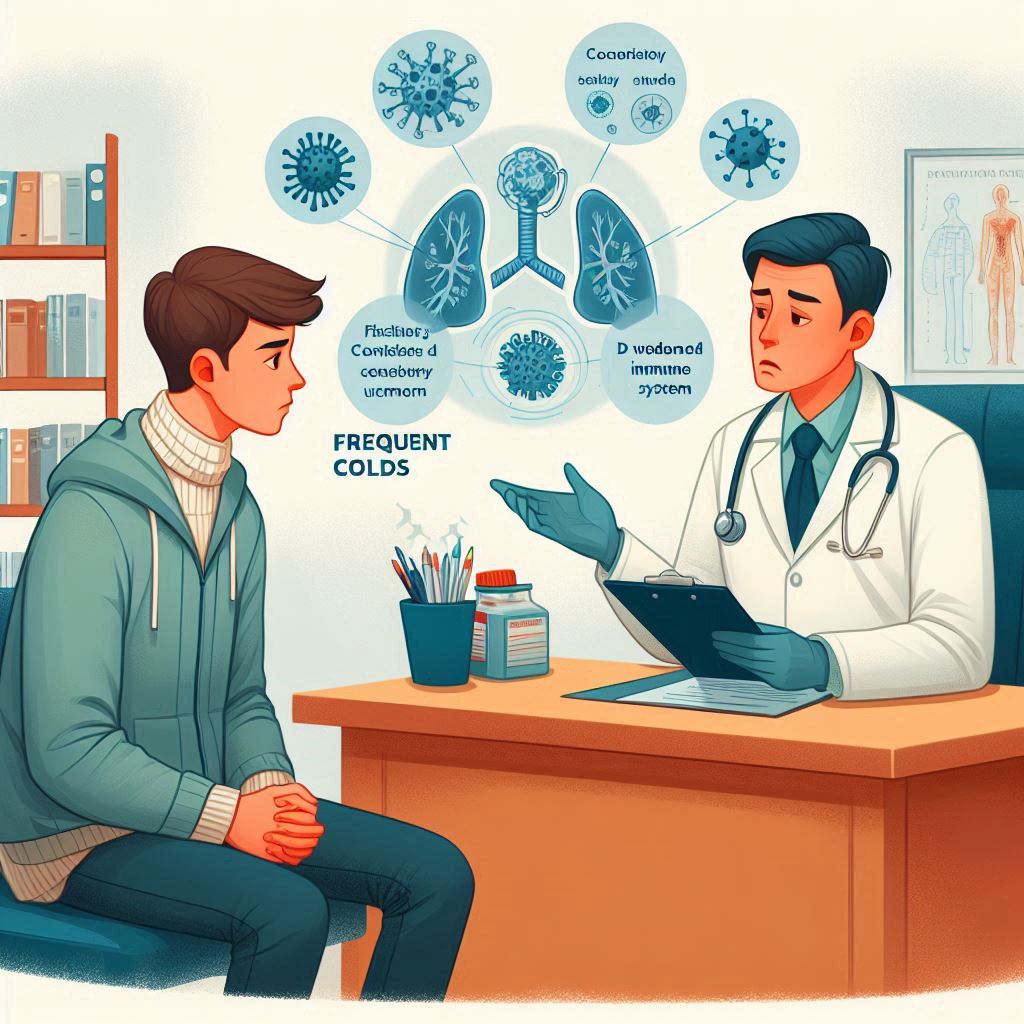
1. Genetic Predisposition
Genetics significantly influence the effectiveness of the immune system’s response to viral infections. Variations in genes related to immune function can predispose some individuals to a higher susceptibility to cold-causing viruses such as rhinoviruses.
Immune Response Variability: Differences in the human leukocyte antigen (HLA) system, responsible for pathogen recognition and immune activation, can result in varying degrees of immunity.
Underlying Genetic Conditions: Patients with inherited immunodeficiencies or predispositions to allergic disorders may have an increased risk of recurrent respiratory infections.
2. Lifestyle and Behavioral Factors
Daily habits profoundly impact immune competence and the frequency of infections.
Sleep Deficiency: Inadequate sleep impairs immune regulation, increasing vulnerability to viral pathogens.
Chronic Stress: Elevated cortisol levels associated with prolonged stress suppress immune responses.
Nutritional Deficiencies: Insufficient intake of key nutrients like vitamin C, vitamin D, and zinc weakens host defenses.
Physical Inactivity: Regular exercise enhances immune surveillance; sedentary lifestyles may contribute to increased infection risk.
3. Environmental Influences
The surrounding environment plays a critical role in exposure and susceptibility to respiratory viruses.
Crowded and Enclosed Spaces: Environments such as schools, workplaces, and public transit facilitate virus transmission.
Air Quality: Exposure to pollutants and poor ventilation can irritate mucosal surfaces, reducing resistance to infection.
Seasonal Variations: Cold, dry weather supports viral persistence and transmission.
Close Contact with Infected Individuals: Prolonged proximity to symptomatic persons raises infection likelihood.
4. Age-Related Immune Changes
Both pediatric and elderly populations are more vulnerable due to immune system immaturity or decline:
Children: Immature immune systems lead to increased frequency of infections.
Older Adults: Immunosenescence results in diminished pathogen clearance and heightened susceptibility.
5. Hygiene and Preventative Practices
Proper hygiene remains a cornerstone of infection prevention.
Hand Hygiene: Frequent handwashing reduces viral transmission.
Avoidance of Sick Contacts: Limiting exposure to individuals with active infections is essential in prevention.
While genetic factors cannot be modified, several evidence-based interventions can help minimize cold incidence:
Enhance Immune Function: Maintain a balanced diet, engage in regular physical activity, and ensure adequate restorative sleep.
Adopt Rigorous Hygiene Practices: Regular handwashing and respiratory etiquette.
Stress Management: Incorporate relaxation techniques such as mindfulness, yoga, or meditation.
Vaccination: Stay current with immunizations to prevent secondary infections that may exacerbate cold symptoms.
Frequent colds are multifactorial, involving a complex interplay of genetics, environment, and lifestyle. Awareness of these factors enables individuals and healthcare providers to implement targeted preventive measures. Promoting a robust immune system through healthy living and hygiene practices remains paramount in reducing the burden of recurrent respiratory infections and improving patient quality of life.

Coughs and colds often occur together but have different causes and symptoms. Understanding their differences is key to proper treatment and prevention.

