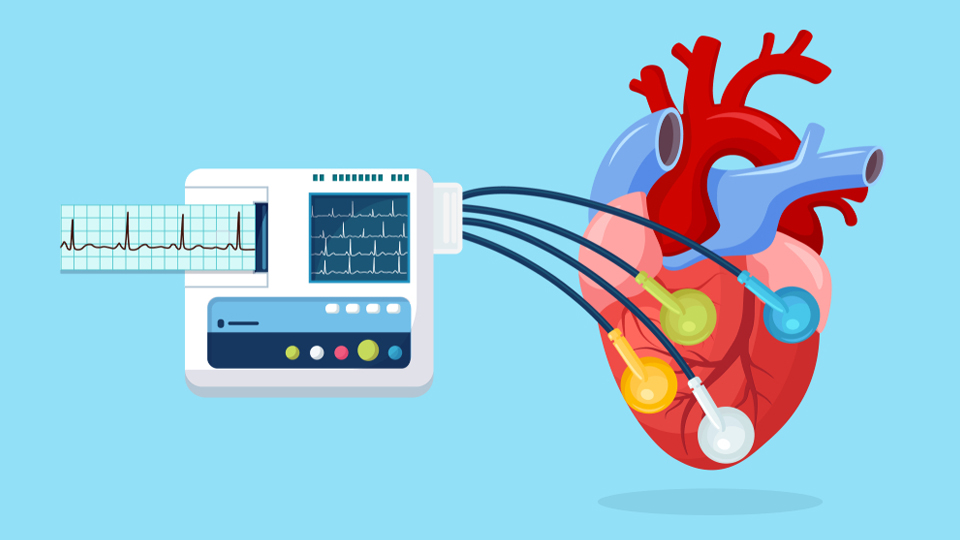
An electrocardiogram (ECG) is a crucial diagnostic tool used to detect a range of heart conditions by recording the heart’s electrical activity. It helps identify:
Arrhythmias: Irregular heartbeats that may be too fast, too slow, or erratic.
Coronary Heart Disease: Reduced blood flow to the heart muscle caused by narrowed or blocked arteries.
Heart Attacks: Sudden interruption of blood supply to the heart, which can damage the heart muscle.
Cardiomyopathy: Thickening or enlargement of the heart muscle, affecting its ability to pump blood effectively.
ECGs are also used to monitor individuals with known heart conditions or those taking medications that might affect the heart, often requiring repeated tests over time for accurate assessment.
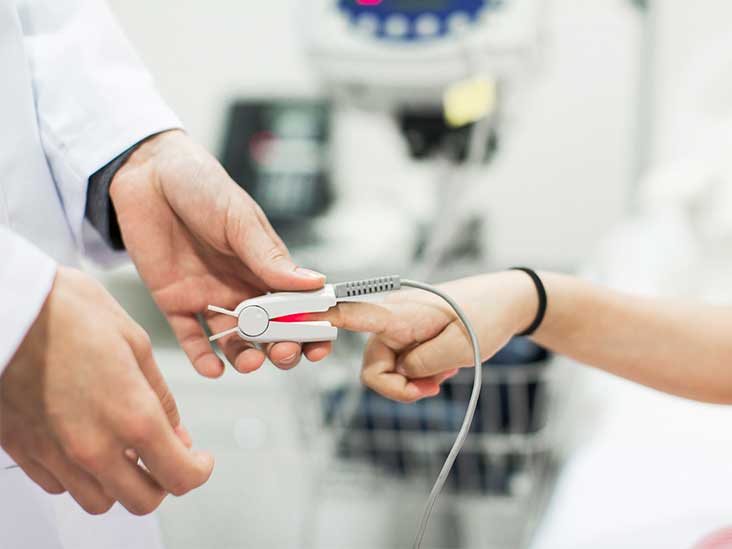
A heart rate monitor (HRM) is a personal device that tracks, displays, and records your heart rate in real time, helping you monitor your cardiovascular activity effectively.
A blood donation camp is organized to encourage people to donate blood, fostering generosity and supporting the health and lives of those in need.